
Commensal Architecture: Scaling Without the Global Corp Budget
Commensal Architecture: Scaling Without the Global Corp Budget
Mid-market enterprises are currently caught in a resource trap. They are expected to compete with global giants on digital infrastructure and speed to market, yet they lack the multi-billion dollar R&D budgets of the Fortune 50. For decades, the only way to scale was through massive capital expenditure on proprietary tech stacks. That model is breaking.
At Skewes AI, we advocate for a more pragmatic shift: Commensal Architecture. This isn't a theoretical concept; it’s a design philosophy built on leveraging shared resources, open-source ecosystems, and cloud-native tools to achieve enterprise-grade results at a fraction of the cost. It’s about being smart enough to use what already exists.
The Strategy of Symbiosis
In biology, commensalism describes a relationship where one organism benefits from another without causing it harm. In a business context, this means building systems that utilize the "host" infrastructure of hyperscalers—think AWS, GCP, or Azure—and the collective intelligence of open-source frameworks.
The data supports this shift. Gartner predicted in October 2023 that approximately 60% of enterprises will adopt modular, commensal-like architectures by 2025. The driver is purely financial. This modular approach can slash operational costs by up to 40%. For a mid-market firm, that capital isn't just "savings"—it's the fuel for aggressive market expansion.
Scaling on the Shoulders of Giants
Building everything in-house is a relic of a slower era. As Box CEO Aaron Levie has pointed out, composing applications from existing APIs and open-source tools can cut development costs by 50%. This is the core of the commensal approach. Why waste resources building a proprietary engine when you can leverage a high-performance one maintained by thousands of global developers?
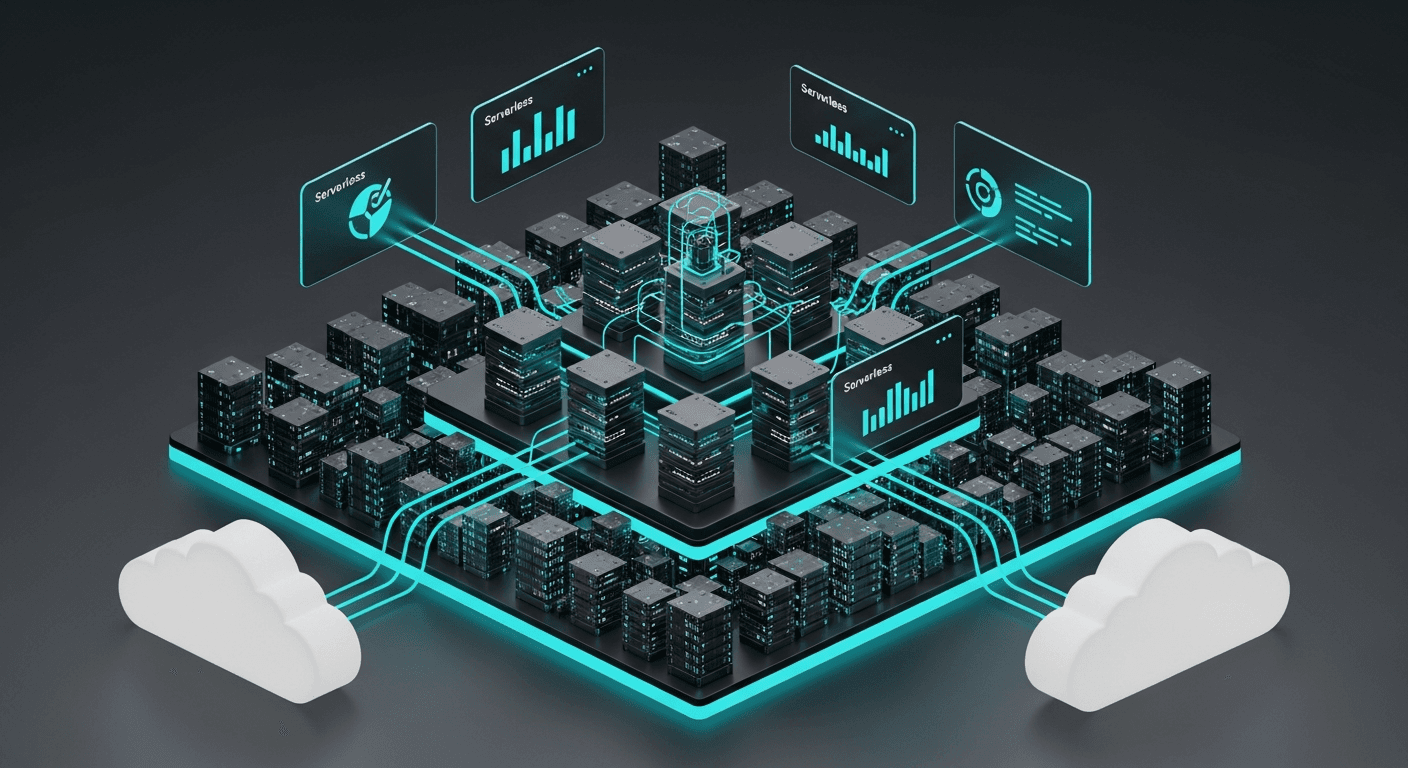
Cloud providers are leaning into this reality. During the October 2023 re:Invent preview, AWS introduced serverless features specifically aimed at helping smaller players scale without traditional infrastructure overhead. These serverless models act as the perfect commensal host. You get the compute power of a global giant, but you only pay for what you consume.
Managing Complexity Through Process Automation
The primary argument against modular systems is that they have too many moving parts. This is a valid concern, but it's one that can be solved through Process Automation. By implementing intelligent workflows, businesses can manage the operational tasks inherent in a distributed, commensal stack without hiring a massive DevOps team.
The efficiency gains are measurable. An IDC study from 2023 showed that SMEs using a mix of serverless architecture and automated workflows reported a 30% to 70% reduction in infrastructure spend. This shift allows your internal teams to stop "keeping the lights on" and start focusing on high-value AI Strategy & Consulting roadmaps.
Data Intelligence as a Growth Lever
A commensal setup is only as strong as the data flowing through it. Mid-market companies often struggle with fragmented data silos that obscure the operational truth. Through Data Intelligence, we help businesses build robust pipelines within their modular architecture to turn that raw data into a competitive advantage.
By tapping into the intelligence layers provided by cloud hosts, firms can implement Predictive Analytics to forecast demand with high accuracy. This gives mid-market companies the strategic foresight of a global corporation without the associated price tag.
The Pragmatic View on Vendor Lock-in
Any consultant who tells you there are no risks isn't being honest. Heavy dependency on a single cloud host can lead to vendor lock-in, which some skeptics suggest can increase long-term costs by 20% if the setup isn't diversified.
We mitigate this through a rigorous assessment of data readiness and process maturity. The goal is a system that is commensal, not dependent. By utilizing containerization (like Kubernetes) and hybrid cloud models, we ensure our clients maintain the flexibility to move between hosts if the economic or technical landscape shifts. Your architecture should serve your business, not the other way around.
Real-World Application: Hospitality
We’ve applied these principles directly within the hospitality sector. Traditional loyalty programs are notoriously expensive to build and maintain. Our Commensal SaaS product takes a different route, using a modular, gamified engine built on a weighted raffle algorithm.
Instead of building a massive, custom database from scratch, the platform "feeds off" existing social and location data via geo-verified check-ins. This allows restaurants and hotels to drive repeat visits and gain enterprise-grade engagement analytics at a fraction of the traditional cost. It’s a perfect example of using an existing ecosystem to create new value.
Building for a Modular Future
Scaling in 2024 doesn't require imitating the bloated spending habits of global conglomerates. It requires the strategic adoption of shared resources. The data is clear: businesses that leverage open ecosystems see faster time-to-market and lower infrastructure costs.
Transitioning to this model isn't about buying new software; it’s about aligning your tech stack with your operational reality. Whether you need Custom AI Solutions or a way to unify customer data through RetAI CRM, your foundation must be built for efficiency.
The first step is a cold, hard look at your current data and processes.
Schedule a Consultation with Skewes AI today to unlock your data intelligence and build a foundation that scales.
#PracticalAI #EnterpriseGrowth #DataIntelligence #MidMarketTech